|
Creating Habitat in your Garden
Why create habitat?
Creating habitat
Native habitat plants
Habitat Network - member stories & photos
Why create habitat?
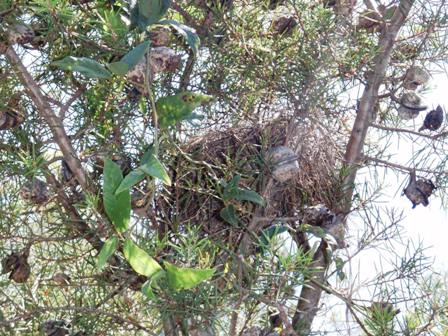
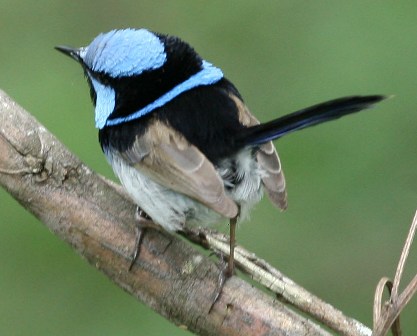
1. Small birds require shelter and protection. Big birds
are often territorial. Bigger birds often chase away or kill (and sometimes eat) smaller birds and/or their eggs.
Small birds need spiky plants, vines or closely planted dense areas.
Areas, which are too dense for bigger birds to enter easily,
allow smaller birds to escape.
2. Small birds like to eat insects they find in open grassy areas (native grasses
are best but any will work). These open spaces must be close to protective cover
for a quick retreat if there is a threat from a bigger bird, cat or dog.
3. All birds, animals, insects, vegetable gardens and people are healthier in a bio-diverse
environment. A rich variety of plants will provide many benefits to visiting birds, animals
and to your vegetable garden. Birds provide natural insect controls for your crop plants.
Native plants, citrus trees and roses all offer good food sources for small birds.
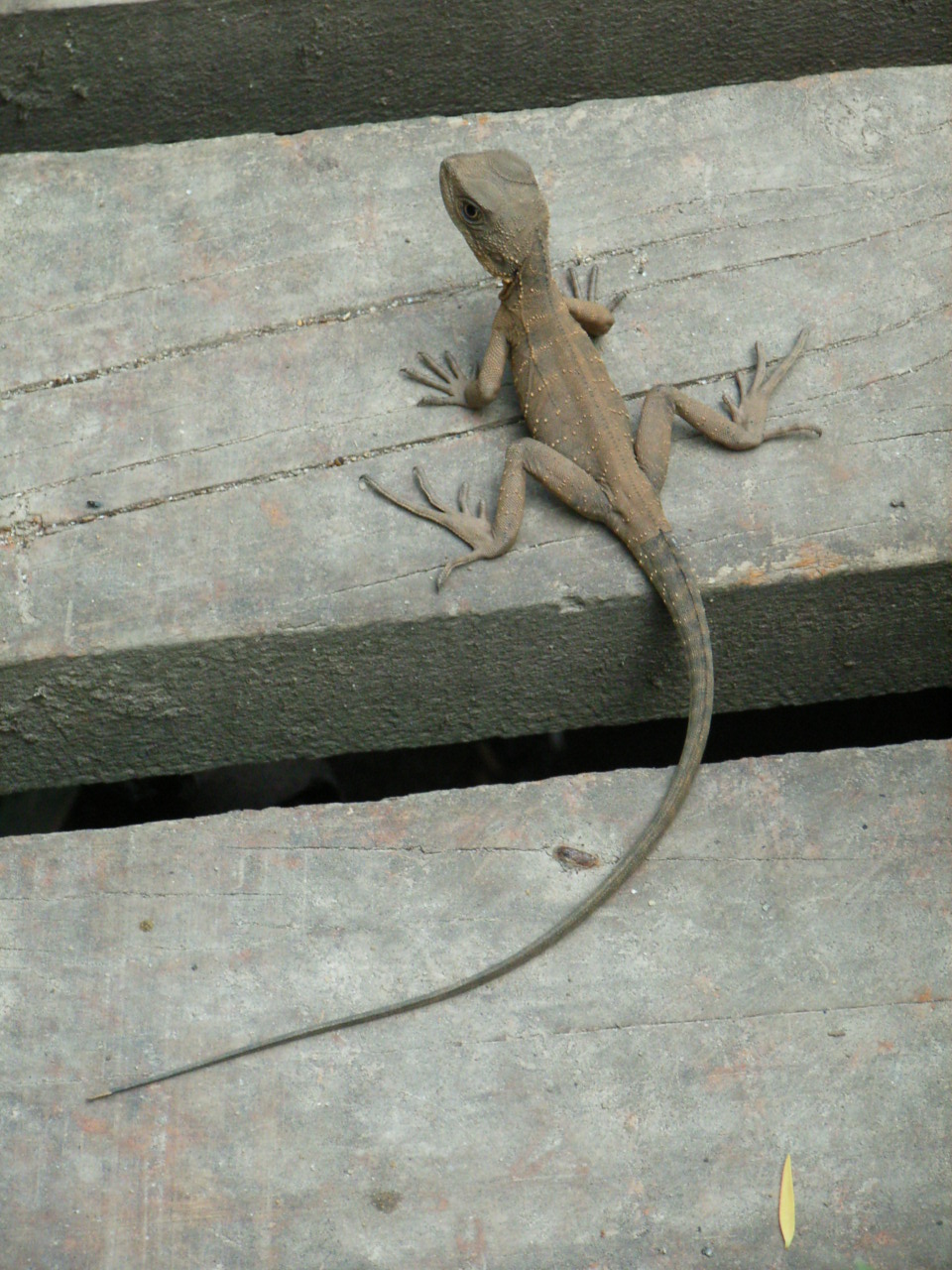
4. Lizards and insects benefit gardens and need an untidy corner in your yard in which to live.
Provide loose rocks, pipes, wood piles and foliage perhaps tucked away in a corner.
A variety of insects are encouraged as the good insects will help control
those which attack food plants. Insects are also a food source for small birds and lizards.
5. When you and your neighbours have small habitat areas
you re-establish a habitat corridor through which small birds can travel safely.
6. Frog ponds are good family fun. Its amazing - if you build a pond eventually a frog will find it.
A pond should be built close to a compost heap or the messy habitat corner (4. above) as frogs too like insects
and shelter. Provide reeds and plants for shelter within the pond and an easy way to enter and exit the pond.
An overhang provides a place below which the tadpoles can hide from birds.
top
Creating habitat
A detailed introduction to creating small bird habitat in your garden, bushland,
parkland and wasteland can be found
here and
in English and Mandarin.
Thank you to our friends Kel and Ben for the translation.
Print our A4 visual on how to
create a small bird habitat haven (pdf 409 kb) in your garden or bushland area.
For schools and projects here is an A3 poster with a sugggested size and numbers of plants
for creating a habitat haven (685 kb)
. And to assist in the planning of your habitat haven please use this
checklist.
We suggest you contact your local Council's bushland manager and ask where you can buy
native plants from your local area.
Link for Sydney Arbor Trees guide to creating habitat niches for fauna
here. (1MB)
View profile of small bird specialist
- Sue Stevens
who has helped with some of our projects.
top
Native habitat plants
Find some plants for your habitat garden see our
Australian native plant photos and information pages here.
Thank you to Lane Cove Council for providing this list of
plants suitable for the Lane Cove area.
Follow this link to download a list of
native habitat plants for the Sydney region (16.1 KB)
and this one for some that are
edible (14.6 KB).
For a list of plants for native bees visit the
Aussie Bee website.
top
Habitat Network - member stories & photos
Read a small bird habitat success story from Hunter's Hill
here (760KB).
An article about small bird habitat in the
Namoi Valley Independent newspaper June 2012(905 KB) and another
July 2012 (1.45 MB).
Get inspiration from one of our Habitat Network members - Katie Little -
read her talk entitled "Demeter's Daughters" and see photos of her
sustainable garden. (547 KB)
Ever thought of creating a frog pond in your garden? See what one of our members, Deborah, has been doing
in her sustainable garden. (144 KB)
Holy Spirit School creates a
habitat area (138 KB).
And see their sustainable art competition results and prize presentation in
this Holy Spirit newsletter (2.19 MB).
Read a special story provided by the Ray Park Habitat Haven Project
about a family saving a Powerful Owl. (245 KB)
View photos of birds, animals and plants found by our members.
Click here.
top
|